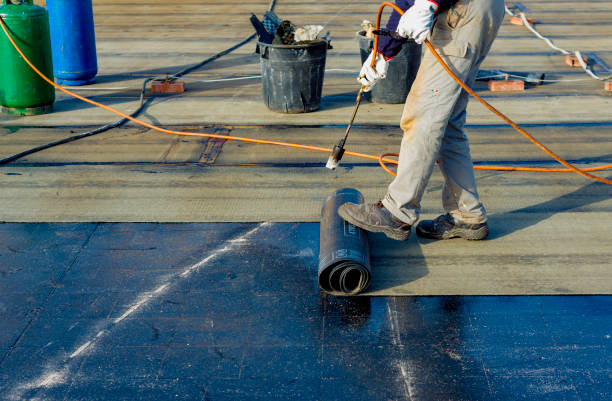
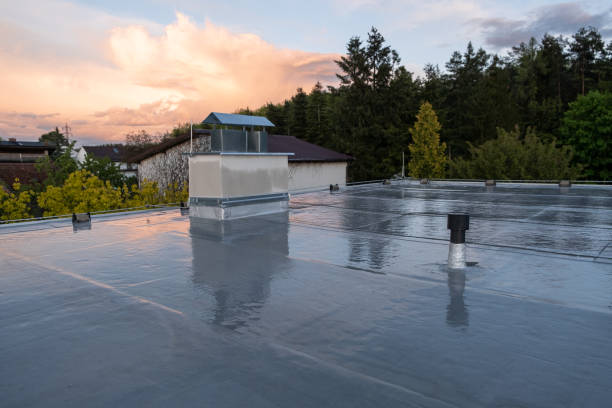
Waterproofing is the process of making a structure resistant to water penetration. It involves creating a barrier, often with specialized materials, to prevent water from seeping into or through building components, protecting them from damage and decay. This is crucial for maintaining structural integrity, preventing leaks, and avoiding issues like mold and dampness.
Waterproofing is a construction or maintenance technique that uses various materials and methods to prevent water from entering a structure. It's essentially creating a barrier that water cannot penetrate, protecting the building from water damage.Preventing water from entering structures protects against structural damage, mold growth, and internal humidity issues.
Waterproofing work involves applying materials to prevent water penetration and protect structures from damage. This is crucial for various areas like basements, roofs, and walls, preventing seepage, mold, and structural deterioration. Waterproofing can involve using membranes, coatings, or crack injections to create a barrier against water infiltration.Waterproofing ensures the longevity and structural integrity of buildings by preventing water-related problems.
Many types of waterproof membrane systems are available, including felt paper or tar paper with asphalt or tar to make a built-up roof, other bituminous waterproofing, ethylene propylene diene monomer EPDM rubber, hypalon, polyvinyl chloride, liquid roofing, and more.